
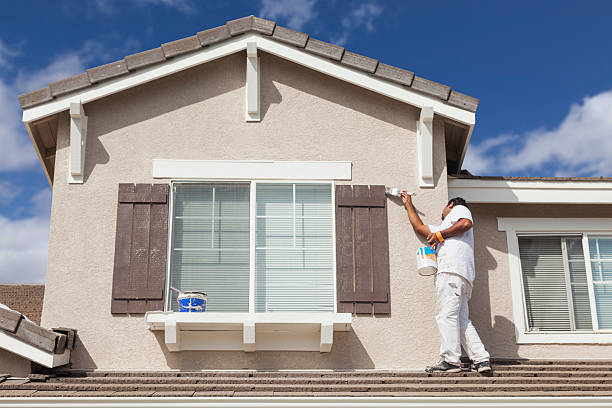
When selecting paint for your project, it’s important to understand the key differences between interior and exterior paints. These two types of paint are designed to meet specific needs and perform differently depending on the environment they are used in. Below is a comprehensive explanation of how they differ.
Composition Differences
- Made for indoor use, where exposure to extreme elements is minimal.
- Typically crafted with fewer volatile organic compounds (VOCs), making it less toxic and more suitable for enclosed spaces.
- Prioritizes washability, stain resistance, and ease of cleaning.
- Contains fewer additives for durability since it does not face outdoor environmental stressors.
- Designed to withstand harsh weather conditions such as rain, wind, UV rays, and temperature fluctuations.
- Incorporates additives like mildewcides and fungicides to resist mold growth.
- Contains higher levels of VOCs compared to interior paints due to its need for durability in open-air environments.
- Features a flexible formula that can expand or contract with changing temperatures without cracking or peeling.
Key Performance Characteristics
| Attribute | Interior Paint | Exterior Paint |
| Durability | Resistant to scuffs and stains | Resistant to weathering and fading |
| Finish Options | Available in matte, eggshell, satin | Often limited to semi-gloss or flat |
| Color Retention | Retains color well indoors | Contains UV-resistant pigments |
| Application Focus | Designed for aesthetics | Focused on protection |
Application Environment
- Interior Applications: Interior paints are ideal for walls, ceilings, trim work, and other surfaces inside your home. They create a smooth finish while offering options like glossy or low-sheen finishes depending on design preferences.
- Exterior Applications: Exterior paint is applied on surfaces exposed to outdoor elements such as siding, fences, decks, or masonry structures. Its primary function is protective rather than decorative.
Factors To Consider When Choosing
- Assess whether the surface will be indoors or outdoors.
- Evaluate environmental factors such as humidity levels (for interiors) or extreme weather exposure (for exteriors).
- Prioritize safety—select low-VOC interior formulas if painting enclosed spaces.
- Consider longevity—ensure outdoor surfaces receive a durable coating that minimizes future maintenance.
By recognizing these distinctions between interior and exterior paint types, you can make informed decisions that enhance both the appearance and lifespan of painted surfaces while meeting specific functional requirements effectively.
Durability and Weather Resistance: Key Considerations When Hiring a Painter Orlando, FL
Choosing the right paint for your project involves more than just selecting the perfect color. Durability and weather resistance are critical factors to consider, especially when aiming for a long-lasting and visually appealing result. Whether you’re painting the interior or exterior of your home, understanding how paint performs under various conditions can help you make an informed decision.
Factors Influencing Paint Durability
- Acrylic Paint: Known for its flexibility and resistance to cracking, acrylic is a go-to option for areas exposed to varying temperatures.
- Oil-Based Paint: Offers a durable, hard finish but may yellow over time, especially indoors.
- Latex Paint: A popular choice due to its ease of application and strong adhesion properties.
- Surface Preparation
Proper preparation ensures paint adheres well: - Clean surfaces free from dirt and grease.
- Sand rough areas to create a smooth base.
- Apply primer where necessary to enhance adhesion.
- Finish Type
The finish significantly impacts durability: - Glossy Finishes: Highly durable and easy to clean; ideal for high-traffic areas like kitchens or bathrooms.
- Matte Finishes: Provide a sophisticated look but may show wear more quickly in busy spaces.
Exterior Paint Weather Resistance
Exterior paints endure harsh environmental conditions such as UV rays, rain, wind, and humidity. Selecting paints specifically formulated for outdoor use ensures better protection against these elements.
- UV Resistance: Look for paints with UV-resistant pigments that prevent fading caused by prolonged sun exposure.
- Mildew Resistance: Ensure the paint has additives that inhibit mildew growth in humid climates.
- Waterproofing Properties: Opt for paints designed to repel water while allowing the surface beneath it to breathe.
| Feature | Exterior Paint Benefits |
| UV Protection | Prevents color fading over time |
| Crack Resistance | Maintains appearance despite temperature changes |
| Moisture Control | Protects surfaces from water damage |
Interior Paint Durability
While interior paints don’t face extreme weather conditions, they need resilience against everyday wear and tear. High-quality interior paints withstand scrubbing, staining, and scuffing without losing their luster.
- For high-moisture areas like bathrooms or kitchens: Use mold-resistant paints designed specifically for humid environments.
- For living rooms or bedrooms: Eggshell or satin finishes strike an excellent balance between durability and aesthetic appeal.
Tips for Enhancing Longevity
- Use high-quality brushes or rollers for even application.
- Avoid painting during extreme weather conditions (e.g., excessive heat or humidity).
- Apply at least two coats with adequate drying time in between.
- Maintain painted surfaces by cleaning them regularly with mild soap and water (for interiors) or pressure washing (for exteriors).
Ensuring that you prioritize durability and weather resistance not only enhances your home’s appearance but also reduces maintenance costs in the long term.
Eco-Friendly Paint Choices by Orlando Painters for a Healthier and Sustainable Home
When it comes to creating a healthier living environment while minimizing environmental impact, choosing eco-friendly paints is an essential step. These paints are specifically designed to reduce harmful substances and promote sustainability without compromising quality or durability. Let’s explore the various aspects of eco-friendly paint choices and how they can benefit both your home and the planet.
Key Features of Eco-Friendly Paints
- Low or Zero Volatile Organic Compounds (VOCs): VOCs are chemicals that release harmful gases into the air, contributing to indoor air pollution. Eco-friendly paints contain low or zero VOCs, ensuring better air quality in your home.
- Natural Ingredients: Many sustainable paints use natural materials such as clay, plant-based oils, chalk, or milk protein instead of synthetic chemicals.
- Non-Toxic Pigments: Unlike conventional paints that may use heavy metals for coloration, eco-friendly alternatives employ non-toxic pigments derived from minerals or plants.
- Biodegradable Formulas: These paints break down more easily over time, reducing landfill waste.
Benefits of Choosing Eco-Friendly Paints
- Improved Indoor Air Quality: Traditional paints can release toxins into the air long after application due to off-gassing. By choosing low-VOC or VOC-free options, you significantly reduce exposure to harmful pollutants inside your home.
- Safer for Families and Pets: Non-toxic formulations make these paints safer for children and pets who may be more vulnerable to chemical exposure.
- Reduced Environmental Impact: Sustainable production processes and biodegradable components lower the carbon footprint associated with these products.
- Enhanced Consumer Health Awareness: Using eco-friendly products demonstrates commitment toward healthier living habits and increased awareness about sustainability.
Common Types of Eco-Friendly Paints
| Type | Characteristics | Ideal Use Cases |
| Low-VOC Paint | Contains minimal volatile organic compounds | General interior wall painting |
| Zero-VOC Paint | Free from harmful chemical emissions | Bedrooms, nurseries |
| Milk Paint | Made from natural ingredients like milk protein (casein) | Furniture refinishing, DIY projects |
| Plant-Based Paint | Derived from renewable resources like soy oil | Bathrooms, kitchens |
| Natural Clay Paint | Composed of clay materials offering a rich matte finish | Living rooms with rustic aesthetics |
How to Identify Genuine Eco-Friendly Products
- Green Seal Certification: Ensures products meet strict environmental standards for performance and safety.
- Greenguard Certification: Recognizes items with low chemical emissions that contribute positively to indoor air quality.
- LEED Compliance: Indicates adherence to Leadership in Energy and Environmental Design (LEED) guidelines promoting energy-efficient materials.

Tips for Using Eco-Friendly Paint Effectively
- Prep surfaces thoroughly before application—clean walls ensure better adhesion regardless of formula.
- Use proper ventilation during painting (even with low-VOC choices) as some odor may still be present during application.
- Avoid wasting leftover paint by storing it correctly or donating unused amounts.
Making thoughtful decisions about using eco-conscious materials like sustainable paint contributes not only toward creating healthier indoor spaces but also supports broader environmental conservation efforts.
Dust-Free Techniques for Superior Interior Painting Orlando Homes Will Love
Dust-free painting techniques have revolutionized the way homes are painted, focusing on delivering cleaner, smoother, and more professional finishes. By minimizing dust during the painting process, these methods ensure not only better aesthetics but also contribute to a healthier environment within your home.
Benefits of Dust-Free Painting Techniques
- Improved Surface Quality: Without airborne dust settling on wet paint, surfaces achieve a smoother texture with fewer imperfections.
- Healthier Indoor Air: Reduced dust particles in the air lead to improved indoor air quality, minimizing allergies or respiratory issues during and after the painting process.
- Greater Longevity of Finishes: A clean surface ensures better paint adhesion, increasing durability and reducing the need for frequent touch-ups.
- Streamlined Cleanup Process: Less dust means less cleanup time after completion, making it an efficient choice for homeowners.
Key Techniques for Achieving Dust-Free Painting
- Clean walls thoroughly by removing dirt and grease before starting.
- Lightly sand surfaces where necessary, using vacuum-equipped sanders to capture debris immediately.
- Use plastic sheeting or drop cloths to isolate work areas from other parts of your home.
- Consider employing portable air filtration systems to trap airborne particles during sanding or spraying.
- Invest in high-quality brushes and rollers designed to reduce shedding fibers while painting.
- Use sprayers equipped with built-in filters that prevent clogging caused by fine debris.
- Opt for orbital sanders connected to HEPA (High-Efficiency Particulate Air) vacuums. These systems extract most of the dust generated during surface preparation.
- Keep windows open or use exhaust fans strategically placed to promote airflow while containing dust within designated areas.
Tools Comparison Table for Dust Reduction
| Tool/Technique | Purpose | Effectiveness Level |
| HEPA Vacuum Sander | Captures fine sanding debris | High |
| Air Filtration System | Reduces airborne particulates | Medium |
| Plastic Sheeting & Drop Cloths | Contains localized mess | Medium |
| Microfiber Cleaning Cloths | Removes residual surface dust | Low |
Enhancing Aesthetics Through Cleaner Finishes
- Ensures uniform color application without disruptions such as specks or streaks.
- Highlights intricate details in trim work or cabinetry due to a flawless surface finish.
- Creates a polished look that elevates your home’s overall design aesthetic.
By incorporating these techniques into your next project, you’ll not only achieve high-quality results but also enjoy a safer and more comfortable environment throughout the process.
Transform Your Kitchen Cabinets with Modern Elegance: Tips from a Painting Company Orlando
When it comes to giving your kitchen a fresh and modern look, updating your cabinet colors is one of the most effective and impactful ways to transform the space. With ever-changing design trends, embracing the latest color palettes can bring sophistication, warmth, or boldness to your kitchen while keeping the aesthetic timeless. Below is an exploration of current trends in kitchen cabinet colors that can elevate your home.
Neutral Tones for a Timeless Look
- Warm Whites: Creamy whites create a soft yet bright appearance in kitchens, adding warmth without overpowering the space.
- Greige: A blend of gray and beige that’s ideal for kitchens aiming for a modern yet cozy feel.
- Taupe: This understated tone adds subtle depth while maintaining neutrality.
These shades work particularly well in kitchens where natural light is abundant or when paired with contrasting dark surfaces.
Bold and Dramatic Shades
- Deep Navy Blue: This rich color creates an elegant atmosphere, especially when paired with brass or gold hardware.
- Forest Green: A sophisticated choice that works wonderfully with white countertops or natural wood accents.
- Charcoal Gray: Ideal for modern homes seeking a minimalist yet dramatic effect.
Bold tones are ideal for homeowners who want cabinets to serve as focal points within their kitchens.
Two-Tone Cabinetry
| Upper Cabinets | Lower Cabinets | Effect |
| White | Navy Blue | Brightens the space while adding depth below |
| Light Gray | Charcoal | Creates subtle contrast for a refined look |
| Soft Beige | Olive Green | Combines warmth with natural tones |
This approach allows homeowners to experiment with color while maintaining balance within the overall design.
Soft Pastels Gaining Popularity
- Blush Pink
- Sky Blue
- Mint Green
These soft hues pair well with both neutral backdrops and metallic accents like chrome or brushed nickel hardware.
Finishes That Enhance Cabinet Colors
- Matte Finish – Provides a sleek look that minimizes glare but may require more cleaning.
- Satin Finish – Strikes a balance between shine and durability.
- Glossy Finish – Reflects light beautifully, making small spaces feel larger but shows fingerprints more easily.
Final Thoughts on Choosing the Right Cabinet Color
Selecting the perfect cabinet color depends on factors such as lighting, existing decor elements, and personal style preferences. By staying aware of current trends like two-tone cabinetry or deep hues balanced by neutral finishes, you can create an inviting space that combines modern elegance with functionality—a true reflection of your taste and lifestyle needs.
- Discover the Top Paint Colors Recommended by a Painter in Orlando, FL to Create a Relaxing Retreat
- Key Insights for Beginners from a Painter Orlando, FL: Understanding the Fundamentals of Home Painting
- Detailed Comparison of Interior and Exterior Paint by Orlando Painting Experts
- How Often Should You Use Orlando Painting Services to Keep Your Walls Fresh and Beautiful
- How Often Should You Use Orlando Painting Services for Your House Walls and What Factors Influence Repainting Frequency
- How to Paint a House Quickly and Efficiently for Professional Results
- The Complete Guide to Hiring a Painter Orlando, FL Residents Trust