

Painting the walls of your home is not just about aesthetics—it also preserves the structural integrity of your space and ensures a healthy living environment. However, determining how often to repaint can depend on several factors, ranging from the condition of your walls to the type of paint used. Here’s an in-depth look at repainting frequency and what influences it.
General Guidelines for Repainting Frequency
The frequency of repainting typically varies depending on the location and purpose of each space in your house.
– Living Room & Dining Room:Every 5-7 years. These areas tend to have less wear and tear compared to other spaces but may need updating based on color trends or fading.
– Bedrooms:
– Adult Bedrooms:Every 5-10 years, as they are low-traffic spaces.
– Children’s Bedrooms:Every 2-3 years due to potential markings, stains, or wall damage caused by kids’ activities.
– Kitchen & Bathroom:Every 3-4 years because these rooms experience high humidity, grease buildup (in kitchens), and frequent cleaning cycles that can wear down paint quickly.
– Hallways & Corridors:Every 2-3 years due to high foot traffic and frequent scuff marks on walls.
External Factors Influencing Repainting Needs
- Room Usage: Areas with heavy traffic or frequent use usually require more maintenance than less-used spaces.
- Example: A hallway will likely need repainting more often than a guest bedroom.
- Quality of Paint: Higher-quality paints last longer due to superior pigmentation and binding agents, reducing the frequency with which you’ll need touch-ups or repaints.
- Paint Finish: The finish you choose will affect durability:
- Flat/Matte Finish: Great for hiding imperfections but less durable; best suited for lower-use rooms.
- Eggshell/Satin Finish: A balance between durability and appearance—ideal for living rooms and bedrooms.
- Semi-gloss/Gloss Finish: Highly durable and moisture-resistant; ideal for bathrooms, kitchens, or trim work.
- Humidity levels in bathrooms may lead to quicker wear than in dry areas like a dining room.
- Sunlight exposure can cause colors to fade over time in well-lit rooms with large windows.
- Regular cleaning methods—especially scrubbing—can wear away paint layers.
- Cracks, peeling paint, or water damage may necessitate earlier repainting regardless of standard timelines.
Proactive Ways To Extend Paint Life
Taking preventive measures can help extend the life of your painted walls: – Use washable paints in high-traffic areas prone to dirt accumulation (e. g. , staircases, entryways). – Address signs of dampness immediately to prevent paint from bubbling or cracking. – Protect easily scratched surfaces with furniture guards or wall protectors.
Table Summary: Repainting Frequency by Room Type
| Room Type | Recommended Repainting Frequency | Key Considerations |
| Living Room | Every 5–7 years | Low traffic; dependent on trends |
| Adult Bedrooms | Every 5–10 years | Minimal markings |
| Children’s Bedrooms | Every 2–3 years | High activity; prone to damage |
| Kitchen | Every 3–4 years | Grease buildup; frequent cleaning |
| Bathroom | Every 3–4 years | High humidity levels |
| Hallways | Every 2–3 years | Frequent scuff marks |
Understanding these timelines alongside influential factors allows homeowners to plan their painting projects strategically while maintaining a fresh and functional appearance throughout their home’s interiors.
Room-by-Room Recommendations from a Painter Orlando, FL for Repainting Based on Function and Usage
Repainting your home isn’t just about aesthetics—it’s also about maintaining the functionality of your space. Different rooms in your house have varying levels of activity, exposure to wear and tear, and environmental conditions. These factors influence how often they need to be repainted. Below is a detailed guide providing room-by-room recommendations for repainting based on usage.
Living Room or Family Room
The living or family room is a central gathering space in most homes. While it may not experience as much physical wear as other areas, it can show signs of aging due to foot traffic, furniture movement, and dust accumulation.
Recommendations: – Repaint every 5–7 years, assuming no major stains or damage.high-quality washable paintto keep walls looking fresh with minimal effort. – Neutral tones like beige, gray, or muted greens are common choices for creating a timeless look.
Bedrooms
Bedrooms generally experience less wear and tear compared to other areas of the home. This makes them ideal candidates for longer repainting intervals unless there are specific needs or updates desired by the occupants.
Recommendations: – Adult Bedrooms: Repaint every 5–10 years, as these spaces typically remain low-traffic zones.3–5 years, due to potential scribbles, dents, or scratches caused by active play.eggshell or satin, especially in children’s rooms where walls may require frequent cleaning.
Kitchen
Kitchens endure heavy use and are subject to grease splatters, food stains, water damage near sinks, and general humidity changes from cooking activities.
Recommendations: – Plan for painting every 3–5 years, depending on how frequently you cook and clean.semi-gloss finish—that’s resistant to moisture and easy to clean.
Bathroom
Bathrooms are high-moisture environments that demand special consideration when selecting paints and determining repaint frequency. Over time, paint may peel or develop mildew if not maintained properly.
Recommendations: – Repaint every 3–4 years, as bathrooms encounter steam, humidity fluctuations, and potential water contact.satin or semi-gloss finishfor longevity.
Hallways and Corridors
Hallways often experience significant scuffing due to foot traffic, moving furniture, and luggage bumps against walls. This area tends to show wear more quickly than others.
Recommendations: – Freshen up hallways approximately every 2–3 years, particularly if the walls are light-colored. – Use durable paints such as those with a matte finish that hides imperfections well while still being washable.
Dining Rooms
Dining rooms may not see heavy physical activity but could require touch-ups due to occasional spills or decor changes over time.
Recommendations: – Repaint once every 5–8 years, unless specific incidents necessitate earlier action.
Summary Table for Orlando Painters
| Room Type | Recommended Frequency | Suggested Paint Finish |
| Living/Family Room | 5–7 years | Washable matte/eggshell |
| Adult Bedrooms | 5–10 years | Eggshell |
| Kids’ Bedrooms | 3–5 years | Satin |
| Kitchen | 3–5 years | Semi-gloss |
| Bathroom | 3–4 years | Satin/Semi-gloss (mold-resistant) |
| Hallways | 2–3 years | Matte |
| Dining Room | 5–8 years | Eggshell |
By tailoring your painting schedule based on each room’s unique needs, you can maintain both functionality and appearance throughout your home efficiently.
Room-by-Room Recommendations for Interior Painting Orlando Based on Function and Usage
Repainting your house is not always a one-size-fits-all task. Each room in your home serves a different purpose and endures varying levels of wear and tear, which directly impacts the frequency and type of painting required. Below is a guide outlining room-by-room recommendations to help you determine how often you should repaint each space based on its function, traffic, and usage.
Living Room and Dining Room
Living rooms and dining spaces are often central to entertaining guests. While these rooms may not experience heavy daily wear like other areas, they still require periodic maintenance to maintain their aesthetic appeal.
Recommendations: – Repainting Frequency:Every 5-7 years.Factors:Consider repainting sooner if the paint fades due to sunlight exposure or if the walls experience scuff marks from furniture or decor adjustments.Paint Type:Opt for washable paints with an eggshell or satin finish for durability without too much shine.
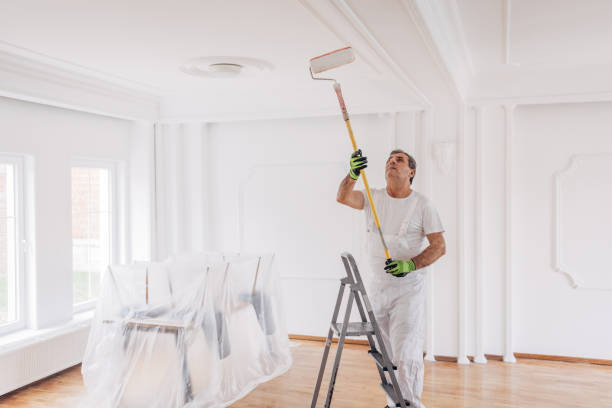
Kitchen
The kitchen is one of the busiest rooms in any home. It faces exposure to heat, moisture, grease splatters, stains, and constant cleaning. Paint in this area often deteriorates faster than other spaces.
Recommendations: – Repainting Frequency:Every 3-5 years.Factors:Stains, food splatters, steam buildup, and regular cleaning can cause discoloration or peeling over time.Paint Type:Use durable semi-gloss or satin finishes that are easy to clean and resistant to moisture.
Bathroom
Bathrooms face high humidity and frequent temperature fluctuations that can lead to peeling or mold growth if the walls aren’t properly protected.
Recommendations: – Repainting Frequency:Every 3-4 years.Factors:Look for signs such as mildew growth, chipping paint near sink areas, or bubbling paint caused by moisture.Paint Type:Use mildew-resistant paints with semi-gloss finishes for maximum protection against humidity.
Bedrooms
Bedroom walls experience relatively less wear compared to kitchens or bathrooms. However, children’s bedrooms may need more frequent attention due to spills, drawings on walls, or scuff marks from playtime activities.
Recommendations:1.Adult Bedrooms:– Repaint every 7-10 years unless you want a fresh look sooner. – Apply matte or eggshell finishes for a calm appearance. 2.Children’s Bedrooms:– Repaint every 3-5 years based on visible wear from creative use (e. g. , crayon marks). – Choose washable paints with satin finishes for easy upkeep.
Hallways and Corridors
Hallways are high traffic zones where dirt accumulation, scuffing from shoes or bags, and fingerprints are common issues. These areas often require more frequent repaints than other parts of the house.
Recommendations: – Repainting Frequency:Every 2-4 years depending on traffic levels.Factors:Pay attention to scratches along lower walls caused by shoes or bags being dragged against them.Paint Type:Durable semi-gloss paints work well as they resist dirt more effectively than matte options while still being touch-up friendly.
Home Office
A home office typically has controlled usage but may require updating when styles change or if there’s visible fading from sunlight exposure over time.
Recommendations: – Repainting Frequency:Every 5+ years unless redecorating is desired sooner.Factors:Fading colors caused by prolonged sunlight exposure near windows should prompt earlier updates if necessary.
Repainting Frequency Recommendations by Room from a Trusted Painting Company Orlando
| Room Type | Recommended Repaint Interval | Best Paint Finish |
| Living & Dining Rooms | 5–7 Years | Eggshell/Satin |
| Kitchen | 3–5 Years | Semi-gloss/Satin |
| Bathroom | 3–4 Years | Mildew-resistant Semi-gloss |
| Adult Bedrooms | 7–10 Years | Matte/Eggshell |
| Children’s Bedrooms | 3–5 Years | Washable Satin |
| Hallways | 2–4 Years | Semi-gloss |
| Home Office | 5+ Years | Eggshell/Matte |
By tailoring your repainting schedule based on function and usage patterns in each room of your home, you can extend the life of your interior paint while maintaining a visually appealing environment year-round.
Impact of Paint Types and Finishes on Durability and Repainting Needs
The type of paint and finish you choose for your walls has a direct impact on how long the paint job lasts, how it resists damage, and how often you’ll need to repaint. Carefully selecting paint types and finishes tailored to each space in your home can save you time, effort, and money in the long run. Let’s explore these factors in detail.
Types of Paint: How They Influence Durability
- Latex Paint
Latex or water-based paints are widely used for interiors due to their ease of application, quick drying times, and low volatile organic compound (VOC) levels. They are durable enough for most spaces but may not be as resistant to wear and tear as other options in high-traffic areas. - Oil-Based Paint
Oil-based paints are more hard-wearing compared to latex paints. They tend to offer a smoother finish with better resistance to moisture, making them ideal for areas like bathrooms or kitchens. However, they emit higher VOC levels during application and take longer to dry. - Acrylic Paint
Acrylic paints fall under the category of latex paints but contain more acrylic resins for enhanced durability. They work well in rooms exposed to sunlight or extreme temperatures because they resist fading.
| Paint Type | Durability | Ideal For |
| Latex | Moderate | Bedrooms, living rooms |
| Oil-Based | High | Bathrooms, kitchens |
| Acrylic | High | Sunrooms, exterior spaces |
Paint Finishes: Choosing the Right One
The finish you select also plays a significant role in the longevity of your wall paint.
- Flat/Matte Finish
This non-reflective finish is great at hiding imperfections but is susceptible to stains and difficult to clean. Best suited for low-traffic areas like ceilings or adult bedrooms. - Eggshell Finish
Slightly more durable than matte, eggshell finishes are easier to clean while still offering a subtle sheen. A popular choice for dining rooms and living spaces. - Satin Finish
Satin strikes a balance between durability and appearance. It is resistant to moisture, making it ideal for kitchens or bathrooms. - Semi-Gloss Finish
Highly durable with good moisture resistance, this finish works well in high-humidity areas such as laundry rooms or trim work. - High Gloss Finish
The most durable but reflective option; it’s perfect for doors or cabinets where frequent cleaning is required.
| Finish Type | Durability Rating (1–5) | Best Applications |
| Flat/Matte | 2 | Ceilings, low-use bedrooms |
| Eggshell | 3 | Living rooms |
| Satin | 4 | Bathrooms, family rooms |
| Semi-Gloss | 5 | Kitchens |
| High Gloss | 5 | Doors, trim |
Factors That Influence Repainting Needs
- Sunlight Exposure: Rooms with direct sunlight may experience quicker fading.
- Traffic Levels: High-touch areas (e. g. , hallways) see more wear.
- Moisture Levels: Bathrooms require mildew-resistant paint due to humidity.
- Maintenance Habits: Regular cleaning using the wrong products can wear down even durable finishes.
By carefully evaluating your space’s requirements alongside the right type of paint and finish, you can extend the life of your walls while minimizing maintenance needs over time.
Addressing this problem promptly not only enhances the appearance of your walls but also prevents further damage. Below is a step-by-step guide to fixing peeling or flaking paint effectively.
Before starting the repair process, it is critical to understand why the paint is peeling.
- Moisture Issues: Check for leaks in plumbing or excessive humidity levels in the area.
- Poor Surface Preparation: The absence of priming or cleaning before painting can lead to poor adhesion.
- Low-Quality Paint: Inferior paints are more prone to flaking and peeling over time.
- Aging Paint Layers: Older layers of paint might no longer adhere properly to the wall surface.
Address any underlying issues before moving forward with repairs.
Step 1: Gather Tools and Materials
- Scraper or putty knife
- Sandpaper (medium and fine grit)
- Clean cloths or sponges
- Primer (bonding primer for better adhesion)
- High-quality interior wall paint
- Paintbrushes, rollers, or sprayers (depending on preference)
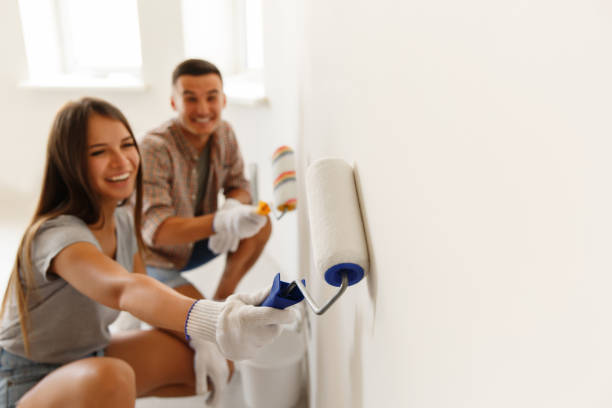
Step 2: Prepare the Affected Area
Proper preparation ensures long-lasting results.
- Use drop cloths or plastic sheets to cover floors and furniture near the affected wall.
- Tape off trim, baseboards, and adjacent surfaces.
- Use a scraper or putty knife to gently remove all loose and flaking paint.
- Be careful not to gouge the underlying surface.
- Smooth out uneven edges between peeling areas and intact paint using medium-grit sandpaper.
- Finish with fine-grit sandpaper for a seamless transition.
- Wipe down the wall with a damp cloth or sponge to remove dust and debris from sanding.
- Allow it to dry completely before proceeding.
Step 3: Prime the Wall
- Select an appropriate primer based on your surface type (e. g. , drywall-specific primer).
- Apply a thin coat evenly across the affected area using a brush, roller, or spray applicator.
- Let it dry fully according to manufacturer instructions before applying paint.
Step 4: Apply Fresh Paint
- Choose high-quality interior wall paint with durability suited for your space’s needs (e. g. , washable paints for high-use areas).
- Use even strokes with a brush for smaller areas.
- Rollers work best for larger sections of walls.
- Allow sufficient drying time between coats as recommended by the manufacturer.
Preventative Tips for Avoiding Future Peeling
- Use dehumidifiers in humid environments.
- Regularly check pipes and roofs for leaks near painted surfaces.
- Always clean walls thoroughly and prime when needed.
- Opt for premium paints designed specifically for durability against wear-and-tear.
- Clean painted surfaces gently with non-abrasive cleaners when needed.
By following these steps, you can effectively restore peeling interior walls while ensuring their longevity moving forward.
Spray Painting vs Brush Painting: Which Method is Better for Your Home
When it comes to painting your home, the choice between spray painting and brush painting can greatly influence the final result. Each method has its own advantages and disadvantages, depending on the project, surface type, budget, and level of expertise. Below, we provide an in-depth comparison to help you decide which technique is better suited for your needs.
Advantages of Spray Painting
- Ideal for covering large surfaces quickly.
- Reduces time spent on repetitive movements compared to brush painting.
- Provides a uniform coat with minimal visible strokes or texture inconsistencies.
- Great for modern finishes or contemporary interiors requiring precision.
- Works well on irregular or textured surfaces such as stucco, brick, or uneven walls.
- Suitable for hard-to-reach areas like corners or narrow spaces.
However, spray painting can be less effective in smaller spaces where overspray may become an issue.
Disadvantages of Spray Painting
- Can lead to paint wastage due to overspray, especially in confined areas.
- Requires careful masking of nearby furniture or fixtures to avoid unintended paint application.
- Requires sprayers that may need renting or purchasing.
- Maintenance costs (cleaning nozzles and ensuring proper operation) can add up.
- Difficult to control fine details like edges or tight corners without special tools.
Advantages of Brush Painting
- Allows greater control over detailing like corners, trims, and small areas.
- Perfect for touch-ups and intricate designs.
- Does not require specialized equipment—just brushes and paint.
- Easy cleanup compared to spray systems.
- Minimal paint wastage since brushes apply directly onto surfaces without overspray issues.
Disadvantages of Brush Painting
- Takes longer to finish larger surfaces compared to spraying.
- May require more physical effort over extended periods.
- Brush marks can remain visible unless applied carefully with consistent pressure.
- Multiple coats may be necessary for full coverage.
Comparing Spray Painting vs Brush Painting: A Quick Table
| Feature | Spray Painting | Brush Painting |
| Speed | Faster | Slower |
| Finish Quality | Smooth & even | Can leave visible brush marks |
| Equipment | High-cost sprayer required | Low-cost brushes only |
| Detail Work | Difficult | Excellent |
| Wastage | Higher (overspray) | Minimal |
Which Method Should You Choose?
- Opt for spray painting if:
- You’re working with large surfaces like ceilings or exterior walls.
- A smooth professional-grade finish is your priority.
- You are experienced with handling equipment or willing to hire professionals.
- Choose brush painting if:
- You need precision around trims, moldings, or smaller spaces.
- Budget constraints are a concern since no expensive equipment is required.
- You value a hands-on approach over speed.
By understanding the unique strengths and drawbacks of both methods, you’ll be better equipped to choose the technique that aligns with your vision while considering time efficiency and cost factors.
- Discover the Top Paint Colors Recommended by a Painter in Orlando, FL to Create a Relaxing Retreat
- Key Insights for Beginners from a Painter Orlando, FL: Understanding the Fundamentals of Home Painting
- Detailed Comparison of Interior and Exterior Paint by Orlando Painting Experts
- How Often Should You Use Orlando Painting Services to Keep Your Walls Fresh and Beautiful
- How Often Should You Use Orlando Painting Services for Your House Walls and What Factors Influence Repainting Frequency
- How to Paint a House Quickly and Efficiently for Professional Results
- The Complete Guide to Hiring a Painter Orlando, FL Residents Trust