

Maintaining the appearance of your walls not only enhances the aesthetic appeal of your home but also protects the surfaces from wear and tear. Over time, factors like dirt, fingerprints, and fading can dull the vibrancy of your paint. Knowing how often to repaint helps keep your walls looking fresh and ensures a welcoming environment.
General Repainting Timeline
- Living Rooms and Dining Rooms: Every 5–7 years. These spaces typically experience less physical wear compared to high-traffic areas. However, if you frequently rearrange furniture or have young children or pets, you may notice scuff marks that require earlier attention.
- Bedrooms: Every 5–7 years for adult bedrooms; however, children’s bedrooms often need repainting every 3–4 years due to increased activity and potential wall damage.
- Hallways and Corridors: Every 2–3 years. These areas experience heavy foot traffic and are prone to scratches, dents, and fingerprints.
- Kitchens and Bathrooms: Every 3–4 years. The heat, moisture, and grease in kitchens can cause paint to deteriorate quickly. Similarly, bathrooms are exposed to high humidity levels that can lead to peeling if not repainted regularly with proper finishes.
Signs It’s Time To Repaint
Even if you’re following a general timeline for repainting your walls, certain signs indicate it’s time for an update: – Fading or discoloration caused by sunlight exposure. – Peeling or cracking paint due to poor ventilation or aging layers. – Visible stains or marks that cannot be cleaned effectively. – A shift in design preferences where you want a new color or style.
Benefits of Timely Painting
Repainting on an appropriate schedule offers more than just aesthetic value: 1. Protection Against Damage: Fresh paint acts as a barrier against moisture intrusion that could otherwise lead to mold growth or wall deterioration. 2. Improved Air Quality: High-quality modern paints often emit fewer volatile organic compounds (VOCs), which contributes to healthier indoor air. 3. Increased Property Value: Updated interiors with clean finishes make homes more appealing during resale.
| Room Type | Recommended Frequency | Key Considerations |
| Living/Dining Rooms | Every 5–7 years | Lower traffic; focus on maintaining colors that complement furnishings |
| Bedrooms | Every 3–7 years | Depends on age group using the space (adult vs kids) |
| Hallways | Every 2–3 years | High foot traffic; select durable finishes |
| Kitchens/Bathrooms | Every 3–4 years | Exposure to heat/moisture requires durable specialty paints |
Keeping these guidelines in mind will help ensure your walls remain vibrant and damage-free over time while enhancing your home’s overall appearance. Regular upkeep through painting is an investment that yields both practical and visual benefits for any living space.
How a Painter Orlando, FL Recommends Deciding When to Repaint Your Walls
Repainting your walls is not just about refreshing the look of your home—it also helps maintain the condition and durability of your interior spaces. However, how often you need to repaint depends on several factors. Below, we explore the key elements that influence repainting frequency.
1. Type of Room and Its Usage
Different rooms experience varying levels of activity and wear, which can affect how long the paint lasts:
– High-Traffic Areas: Rooms such as hallways, kitchens, and children’s bedrooms are prone to scuffs, stains, and dirt, requiring more frequent touch-ups or repainting—typically every 2–4 years.
– Low-Traffic Areas: Spaces like guest rooms or formal dining areas experience minimal activity and may not need repainting for 5–7 years.
2. Quality of Paint Used
The longevity of your paint job depends heavily on the quality of paint chosen:
– Premium Paints: High-quality paints often have better pigmentation and durability, lasting longer without chipping or fading.
– Economy Paints: Lower-grade paints may require more frequent updates as they tend to wear out faster under regular use.
| Paint Type | Lifespan Estimate | Maintenance Needed |
| High-quality latex | 5–10 years | Minimal touch-ups |
| Oil-based paint | Up to 10 years | Occasional cleaning |
| Low-cost latex | 3–5 years | Frequent upkeep |
3. Exposure to Sunlight
Excessive sunlight exposure can cause fading over time. Rooms with large windows or a lot of natural light may require repainting sooner than darker spaces shielded from UV rays. To minimize this issue:
– Use UV-resistant paint for sunlit areas. – Install window treatments such as blinds or curtains.
4. Environmental Conditions
The climate in which you live can also impact your walls: – High Humidity: Moisture can cause peeling, bubbling, or mildew growth on painted surfaces in bathrooms or basements. Ensure proper ventilation to combat these issues. – Dry Climates: Over time, dry conditions can lead to cracking if the paint becomes brittle.
5. Color Choice
Certain colors show wear more quickly than others: – Light shades such as white or beige are prone to showing stains and dirt. – Darker hues may hide imperfections but are more likely to fade when exposed to sunlight.
If you want a lasting finish with minimal upkeep:
1. Opt for neutral mid-tone colors. 2. Choose washable finishes like satin or semi-gloss for easy maintenance.
Tips for Extending Your Paint’s Lifespan
To minimize how often you need to repaint your walls:
– Clean surfaces regularly using a mild detergent and soft cloth. – Address minor damages (e.g., chips or scratches) promptly with touch-up paint. – Invest in high-quality primers before applying top coats for better adhesion and durability.
Understanding these factors will help you make informed decisions about maintaining your walls’ appearance while optimizing time between repaints.
How Often Should You Hire Orlando Painters for Each Room in Your Home
The frequency at which you repaint your walls depends largely on the specific function and activity level of each room. Different spaces in your home endure varying degrees of wear and tear, which can affect the appearance and durability of paint over time. Below is a detailed guide to help you determine how often you should repaint the walls in each area of your home.
Living Room and Dining Room
Living rooms and dining rooms are generally low-traffic areas, making them less susceptible to damage. However, these spaces are often focal points in a home, so maintaining their aesthetic appeal is important.
- Recommended Repainting Frequency: Every 5–7 years
- Opt for high-quality paint with good washability to keep walls looking fresh.
- Consider neutral or timeless colors for these spaces to reduce frequent repainting due to changing trends.

Bedrooms
Bedrooms tend to have lower activity levels compared to other areas in the house, except for children’s rooms, which may experience more wear and tear.
- Adult Bedrooms: Repaint every 5–10 years, as they are typically low-impact areas with minimal scuffing or stains.
- Children’s Bedrooms: Repaint every 3–5 years due to higher levels of activity like drawing on walls or accidental scratches.
Kitchens
Kitchens are high-use spaces that are exposed to grease, steam, humidity, and stains from cooking activities. Walls in kitchens can accumulate grime more quickly than other rooms.
- Recommended Repainting Frequency: Every 3–5 years
- Additional Tips: Use durable, washable paints with a satin or semi-gloss finish that resists moisture and staining.
Bathrooms
Bathrooms also experience high humidity levels and frequent usage. This environment can lead to mold growth or peeling paint if not properly maintained.
- Recommended Repainting Frequency: Every 3–4 years
- Key Solution: Choose mold-resistant paint designed specifically for humid areas to extend the lifespan of the finish.
Hallways and Corridors
Hallways are some of the most frequently used spaces within a home. They are prone to scuff marks from foot traffic, furniture movement, or children playing.
- Recommended Repainting Frequency: Every 2–3 years
- Consider painting hallways with durable finishes like eggshell or satin.
- Touch up minor scuffs between full paint jobs to prolong their clean appearance.
Ceilings
While ceilings tend not to require frequent painting compared to walls, they can become dull over time due to dust accumulation or moisture issues. Stains from leaks may also necessitate touch-ups sooner than expected.
- Flat ceilings: Every 10 years (or sooner if there is visible discoloration).
- Textured ceilings (like popcorn): Repaint as needed based on condition since texture hides imperfections longer than flat surfaces.
| Room Type | Recommended Frequency | Additional Tips |
| Living/Dining | Every 5–7 years | Use neutral colors for long-lasting style |
| Bedrooms | Adult: Every 5–10 yrs; Children: Every 3–5 yrs | Durable finishes help withstand activity |
| Kitchen | Every 3–5 years | Use stain-resistant paints |
| Bathroom | Every 3–4 years | Mold-resistant paints recommended |
| Hallways | Every 2–3 years | Touch up between full jobs |
| Ceilings | Flat: ~10 yrs; Textured: As needed | Look out for discoloration |
By following these guidelines tailored specifically for different areas of your home, you can keep your living space visually appealing while protecting surfaces from long-term damage caused by everyday use.
How Heat and Humidity Impact Interior Painting Orlando Projects
Heat and humidity can significantly affect the durability of paint, influencing how long your walls maintain their fresh appearance. Understanding these impacts and taking preventative measures can extend the lifespan of your paint job, saving you time and money in the long term.
The Effects of Heat on Paint
- Faster Drying Time During Application: When painting in high heat, the paint may dry too quickly on the surface before it properly adheres to the wall. This can result in uneven finishes or cracks.
- Paint Fading: Extended exposure to intense sunlight and heat often causes colors to fade over time, particularly with darker shades. Lighter colors tend to be more resistant but are not entirely immune.
- Peeling Paint: Prolonged heat can cause the layers of paint to expand and contract, leading to cracks or peeling over time.
The Role of Humidity in Paint Durability
- Delayed Drying Time During Application: High humidity slows down the drying process because moisture from the air interferes with proper evaporation, leaving a sticky or uneven finish.
- Mold and Mildew Growth: In damp or humid environments, mold and mildew are more likely to grow on painted surfaces, especially if improper preparation (like lack of primer) was done beforehand.
- Blistering: Elevated humidity can lead to trapped moisture under the surface of your wall’s paint layer, causing unsightly bubbles or blisters.
| Condition | Potential Impact | Solution |
| High Heat | Faded colors, peeling, cracking | Use high-quality UV-resistant paints |
| Excess Humidity | Mold growth, delayed drying time | Ensure surfaces are clean & dry before applying |
Tips for Mitigating Heat and Humidity Issues
- Choose Weather-Appropriate Paints
Opt for paints specifically designed for extreme climates. UV-resistant paints are ideal for hot regions while mildew-resistant formulas work well for humid areas. - Control Indoor Climate During Painting
Maintain an indoor temperature between 50°F–85°F (10°C–29°C) with moderate humidity levels when applying interior paint. - Apply Proper Primer Layers
Use primers that create a solid foundation for new paint while offering added protection against moisture infiltration. - Regular Maintenance Checks
Inspect high-humidity areas like bathrooms or kitchens regularly for signs of mold growth or blistering on painted surfaces. - Invest in Quality Ventilation Systems
For humid spaces such as basements or laundry rooms, ensure good airflow with fans or dehumidifiers to prevent excess moisture buildup.
By understanding how heat and humidity impact paint durability—and taking proactive steps during application—you can achieve long-lasting results that keep your walls looking fresh despite environmental challenges.
Transform Your Space with the Leading Painting Company Orlando Offers
When it comes to painting your home, achieving a long-lasting and high-quality finish requires more than just selecting the right paint color. Professional painting services offer expertise, tools, and techniques that can make a significant difference in both the appearance and durability of your walls. Below are key insights into how professional painters can help you attain a superior result that stands the test of time.
Benefits of Hiring Professional Painting Services
- Surface preparation is crucial for paint adherence and longevity. Professionals carefully clean, sand, patch, and prime surfaces to create an ideal base for painting.
- They address issues such as cracks, holes, or peeling paint before applying new coats.
- Professional painters use premium paints and finishes that often outperform lower-grade options in terms of durability.
- They select appropriate products based on your specific needs (e.g., moisture-resistant paint for bathrooms or fade-resistant exterior paints).
- With their training and experience, professional painters apply paint evenly without streaks or roller marks.
- Advanced tools such as sprayers, high-quality brushes, and rollers ensure consistency.
- A professional team works efficiently while minimizing disruptions to your daily routine.
- Their streamlined processes mean quicker project completion compared to DIY efforts.
- While hiring professionals may seem costlier initially, their attention to detail can prevent costly repairs or repaints in the future.
- Proper application extends the lifespan of your painted surfaces.
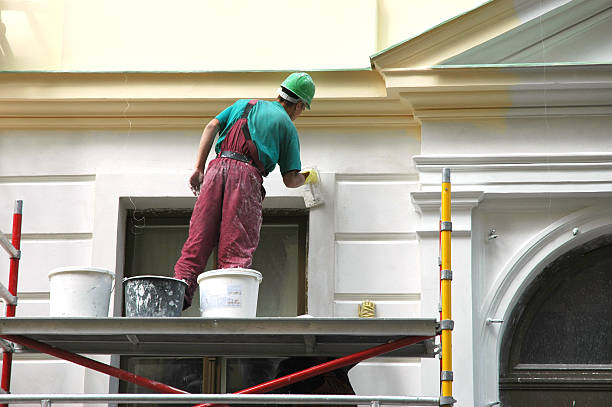
Steps Professionals Take To Ensure Longevity
| Step | Purpose | Example Actions |
| Inspection | Assess surface condition | Identifying moisture damage or areas needing repair |
| Surface Preparation | Create a stable base for painting | Sanding, priming, cleaning |
| Product Selection | Choose appropriate paints/finishes | Using mold-resistant paint for bathrooms |
| Application | Deliver smooth coverage without imperfections | Applying multiple even coats |
| Final Touches | Ensure flawless appearance | Touch-ups on edges or trim work |
By investing time into each stage of this process, professionals deliver results that often exceed expectations.
Tips For Prolonging Your Paint Job’s Life
- Clean Regularly: Dust walls gently with a microfiber cloth to prevent buildup over time. Use mild soap and water for stains while avoiding abrasive cleaners.
- Control Humidity: Invest in dehumidifiers or ventilation solutions in damp areas like bathrooms.
- Avoid Excessive Sunlight Exposure: Use curtains or blinds to reduce UV ray exposure that causes fading.
- Repair Minor Damage Promptly: Fix chips or scratches early before they worsen.
Enlisting professional painting services is an invaluable way to achieve lasting beauty and protection for your walls. Leveraging their expertise ensures not only flawless aesthetics but also cost-efficiency over time by reducing the need for frequent repainting projects.
Achieve A Long-Lasting Paint Job With Professional Painting Services
When it comes to maintaining the beauty and longevity of your home’s painted surfaces, investing in professional painting services can make a significant difference. Skilled painters not only provide high-quality results but also ensure that the paint job stands the test of time. Below is a comprehensive guide to understanding why professional painting services are worth considering and how they contribute to a durable finish.
Benefits of Hiring Professional Painters
- Expertise and Skill
Professional painters bring years of experience, ensuring that every step of the painting process is completed with precision. From surface preparation to applying the final coat, their expertise reduces common errors like uneven finishes, peeling, or streak marks. - Access to High-Quality Materials
Professionals use premium-grade paints and tools designed for durability and aesthetics. They also have insider knowledge about which products work best for specific surfaces or environments, such as moisture-resistant paint for bathrooms or fade-resistant coatings for sunlit rooms. - Proper Surface Preparation
A long-lasting paint job starts with thorough preparation: - Cleaning walls to remove dust and grease
- Filling cracks or holes
- Sanding surfaces for better adhesion By entrusting this work to experts, you ensure the new coat adheres properly and lasts longer.
- Efficiency and Time Savings
Painting an entire home can be time-consuming without proper tools or experience. Professionals complete projects efficiently while maintaining quality standards, freeing up your time for other priorities. - Warranty Coverage
Many professional painting companies offer warranties on their work. This guarantees repairs or touch-ups if issues arise within a specified timeframe, providing peace of mind regarding your investment.
Tips To Extend The Life Of Your Paint Job
- Regular Cleaning: Wipe down walls occasionally with a damp cloth or mild soap solution to remove dirt buildup without damaging the finish.
- Avoid Scratches: Be mindful when moving furniture to prevent accidental scuffs.
- Control Humidity Levels: Use dehumidifiers in moisture-prone areas such as bathrooms or basements.
- Inspect Annually: Look out for signs of wear such as peeling or discoloration; addressing these early prevents further damage.
Comparison: DIY vs Professional Painting Services
| Feature | DIY Approach | Professional Services |
| Skill Level Required | Moderate-to-high | Expert-level |
| Time Investment | High | Low (handled by contractors) |
| Material Costs | Lower (can vary) | Higher (includes premium materials) |
| Quality Consistency | Varies based on experience | Consistently high |
| Risk of Mistakes | High | Minimal |
| Long-Term Durability | Moderate | High |
When Should You Consider Professional Services?
Certain circumstances call for hiring professionals over attempting a DIY project:
– Large-scale projects involving multiple rooms
– Homes with textured walls or intricate architectural details requiring precision
– Repainting older homes where lead-based paint might be present (professionals are trained in handling hazardous materials safely)
– Situations where time constraints make DIY impractical
By combining professional painting services with proper care and maintenance practices, you can achieve beautiful interiors that remain vibrant over time while saving yourself stress and effort in the long run.
A Guide to Choosing the Best White Paint for Your Living Spaces
Choosing the best white paint for your living spaces can feel overwhelming due to the vast range of options available. From warm to cool undertones, finishes, and lighting considerations, several factors influence how white paint will appear in your home. This guide breaks down key aspects to consider when selecting the perfect white shade for your space.
Understand Undertones
White paint is never just pure white—it carries subtle undertones that can drastically alter its appearance in a room.
- Warm Undertones: Whites with yellow, red, or beige undertones create a cozy and inviting atmosphere. These shades work well in living rooms or bedrooms where a softer ambiance is desired.
- Cool Undertones: Whites with blue, green, or gray undertones offer a crisp and clean vibe. They are ideal for modern designs or spaces with ample natural light.
- Neutral Undertones: For versatility, opt for whites with balanced undertones that adapt well to various lighting conditions and decor styles.
Consider Lighting Conditions
- Natural Light: Evaluate how much sunlight enters the room and its direction (north-facing rooms may make whites appear cooler; south-facing rooms enhance warmth).
- Artificial Lighting: LED or incandescent bulbs impact paint color temperature differently, so test samples under your predominant artificial light source.
- Time of Day Variations: Observe how test swatches shift from morning to night in your space.
Select an Appropriate Finish
| Finish Type | Characteristics | Best Used In |
| Matte/Flat | Non-reflective; hides wall imperfections | Bedrooms, ceilings |
| Eggshell | Soft sheen; easy to clean | Living rooms, hallways |
| Satin | Slightly glossy; highly durable | Kitchens, bathrooms |
| Semi-gloss | Reflective; resists moisture | Trim work, doors |
| High-gloss | Ultra-reflective; bold statement | Accent walls, furniture pieces |
Test Before Committing
- Purchase small sample pots of 2–3 shades you’re considering.
- Paint large swatches (at least 2’x2’) on multiple walls within the room.
- Evaluate appearance under different lighting scenarios over several days before finalizing.
Popular Shades of White Paint
- Benjamin Moore – Chantilly Lace: A clean and neutral true white.
- Sherwin-Williams – Alabaster: A soft warm white suited for most interiors.
- Farrow & Ball – All White: Bright yet understated without strong undertones.
- Behr – Polar Bear: Slightly warm with a touch of softness.
Matching White Paint to Decor Style
- Modern minimalist interiors benefit from cooler whites paired with sleek metal accents.
- Farmhouse aesthetics lean towards warmer whites that complement wooden textures.
- Neutral whites provide flexibility when mixing contemporary and classic pieces.
Carefully considering these factors will help you find the ideal shade of white paint tailored to your living spaces while enhancing their aesthetic appeal and functionality.
- Discover the Top Paint Colors Recommended by a Painter in Orlando, FL to Create a Relaxing Retreat
- Key Insights for Beginners from a Painter Orlando, FL: Understanding the Fundamentals of Home Painting
- Detailed Comparison of Interior and Exterior Paint by Orlando Painting Experts
- How Often Should You Use Orlando Painting Services to Keep Your Walls Fresh and Beautiful
- How Often Should You Use Orlando Painting Services for Your House Walls and What Factors Influence Repainting Frequency
- How to Paint a House Quickly and Efficiently for Professional Results
- The Complete Guide to Hiring a Painter Orlando, FL Residents Trust